

Leo Workwear
An outer layer for wet shifts
A waterproof hi-vis anorak to compare for outdoor work. Check its individual protection ratings.
LEO A04 Clovelly - Hi-Vis Ecoviz 15K Performance+ Breathable AnorakPractical clothing for service teams, outdoor maintenance and support roles, with specialist protection specified around the assessed hazards.
Find your team’s kit →A utilities programme can cover outdoor maintenance, depot work and customer visits. Some tasks also involve specialist hazards that an ordinary workwear catalogue cannot resolve on appearance alone.
Separate the everyday uniform brief from requirements such as arc, flame, chemical or electrical protection. Share the technical specification first, then compare suitable products and complete garment systems.
General workwear illustration; specialist electrical or other protection must be specified separately.

Select a role to explore relevant products and ranges. Check the individual specifications against your working environment and employer’s requirements.
These are general outdoor workwear starting points. They are not presented as arc-rated, flame-resistant or electrically protective kit. Confirm whether the job requires specialist garments before selecting.
Leo Workwear
A waterproof hi-vis anorak to compare for outdoor work. Check its individual protection ratings.
LEO A04 Clovelly - Hi-Vis Ecoviz 15K Performance+ Breathable Anorak
ORN
A cargo trouser option for teams needing visibility and storage. Compare sizes and leg lengths.
ORN 6700 Hi-Vis Condor Cargo Trouser
Portwest
A safety helmet option. Check the assessed hazards and compatibility with other PPE.
Portwest PS61 Work Safe HelmetFor general maintenance duties, compare fit, storage and movement. Select any hand, foot or other protection to the particular task, including hazards from machinery or substances.

Scruffs
Work trousers to compare for fit, movement and useful pockets throughout the working day.
Scruffs SH071 Pro Flex Plus Trousers
ATG
MaxiFlex Ultimate is a dry handling option; select separate protection for chemical contact or other hazards.
ATG MaxiFlex Ultimate - AD-APT 42-874 Gloves - Pack of 12
Rockfall
A safety trainer option to compare for fit, protection and the actual surfaces encountered.
Rock Fall PM4040 Bridgeport Low-Cut TrainerCreate a clear team identity for service visits and support roles. Protective clothing may still be needed where access rules or the task demand it.

ORN
A wicking polo option with colours and sizes to coordinate across departments.
ORN 1190 Oriole Wicking Poloshirt
Regatta
A full-zip fleece for cooler areas and changing conditions. Compare sizing and care instructions.
Regatta TRF557 Micro Full Zip - Fleece Jacket
ORN
A ladies’ action trouser option. Check the size guide, leg lengths and practical details.
ORN 2660 Women's Kea Action TrouserA useful workwear plan considers the places, tasks and conditions the team encounters throughout a shift.
Consider time outdoors, wet weather and layers for changing conditions. Check how the full kit works with required PPE and local visibility rules.
Hi-vis, flame resistance, arc protection and electrical insulation are different properties. Ask for the assessed performance requirements rather than treating these descriptions as interchangeable.
Plan practical storage, spare garments and clear identification. Include both the field role and the places the team needs to access.
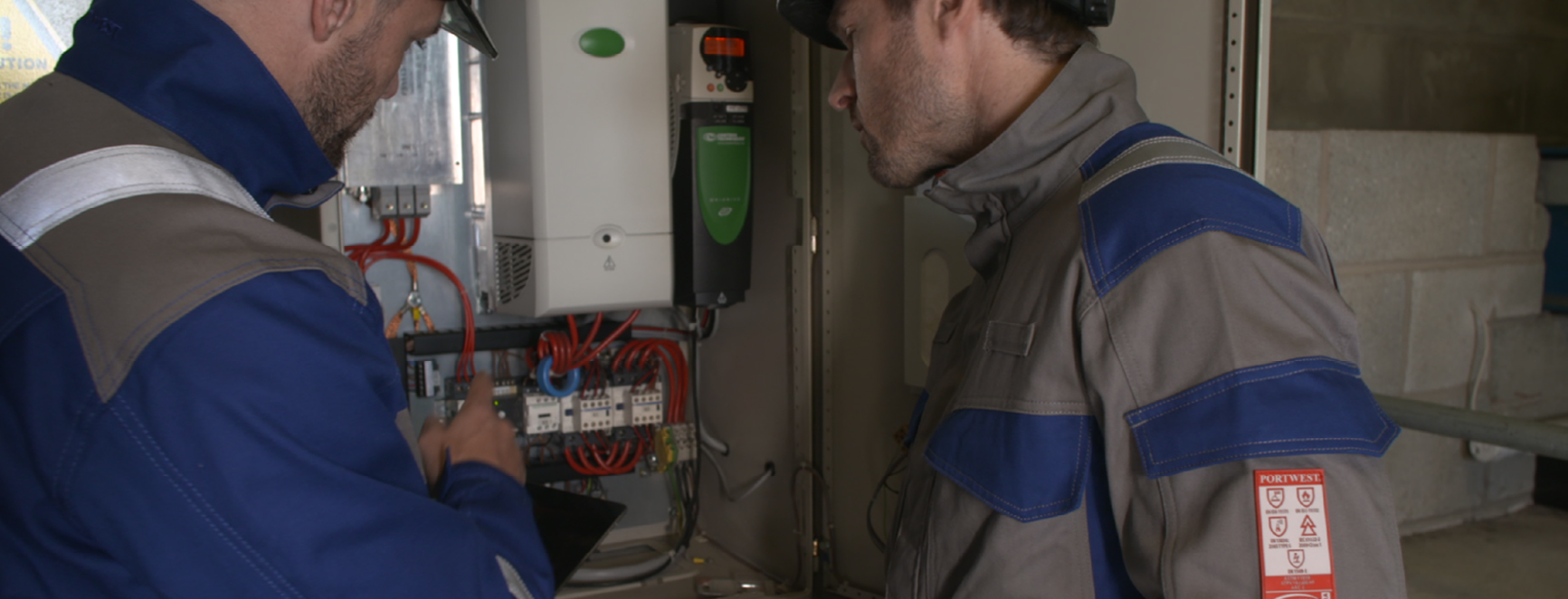
For specialist utility work, send the required standards, performance levels, working conditions and equipment already worn. This gives the product comparison a clear starting point and avoids selecting ordinary clothing for a specialist hazard.
Discuss a specialist specification →Use the role and working environment to define the brief. Compare product details, fit and compatibility before committing to a team-wide selection.
Protective equipment must be selected against the employer’s risk assessment and local rules. Ordinary workwear is not a substitute for specialist protection.
Workwear does not replace safe systems of work or control of electrical hazards. Where protective clothing is required, use the assessed specification and manufacturer’s information for the complete kit.
Check compatibility between clothing and head, eye, hearing and hand protection. Additional layers can affect fit and the performance of the ensemble.
Choose the outermost layer around the site’s requirements. A warm or waterproof layer is not automatically suitable high-visibility protection.
Agree decoration and washing requirements for the actual protective garment. Do not apply an everyday uniform branding plan to specialist kit without checking.
Keep ordinary uniforms, general outdoor kit and specialist protective clothing distinct within the programme. That makes product approval, repeat orders and replacement decisions easier to manage.
Plan your utilities workwear →
A clear brief makes it easier to compare suitable garments and keep the programme consistent as the team changes.
Share roles, environments and the technical protection requirements already identified in your assessment.
Agree garments, sizes and layers. Include representative wearers and discuss samples or trials before a wider rollout.
Plan colours, approved logo positions and suitable print or embroidery for the selected garments.
Record the approved kit and plan new starters, replacements and repeat orders alongside the first rollout.
Share roles, environments and the technical protection requirements already identified in your assessment.
No. Visibility is a different property. Check the specific electrical, arc or flame protection required for the task and the garment system.
Yes, for roles where the assessment permits ordinary workwear. Specialist tasks need their own approved specification.
The hazards, required standards and levels, working conditions, duration of exposure, other PPE, wearer profile and any employer-approved specification.
Working-scene photography: SP Energy Networks · Portwest · RTE. Photographs illustrate working roles and environments.
Further reading to support a task-specific brief. Always check the individual product information and your current workplace requirements. Reviewed October 2026.