

Leo Workwear
Rail-spec identification
An orange rail waistcoat with a quick-release construction. Check your operator’s required class and garment combination.
LEO W14 Lapford - Hi-Vis Ecoviz Rail Velcro WaistcoatRail-spec clothing, depot workwear and station uniforms, brought together around the people who keep the railway moving.
Find your team’s kit →A railway brings together outdoor infrastructure crews, depot engineers and passenger-facing teams. Their uniforms share an identity, but the clothing needs to work differently for each role.
Build your brief around the working area, the operator’s requirements and the complete outfit. Orange colour alone does not establish that a garment meets the rail specification.

Select a role to explore relevant products and ranges. Check the individual specifications against your working environment and employer’s requirements.
Start with your operator’s rail clothing specification, then build the full outfit around coverage, movement and changing weather. These orange rail-spec garments provide a focused starting point for comparison.
Leo Workwear
An orange rail waistcoat with a quick-release construction. Check your operator’s required class and garment combination.
LEO W14 Lapford - Hi-Vis Ecoviz Rail Velcro Waistcoat
Leo Workwear
A rail-spec tee for your warm-weather shortlist. Confirm the required coverage for the job.
LEO T02 Braunton - Hi-Vis Ecoviz Performance Rail Spec Round Neck Tee Shirt
Leo Workwear
Orange rail-spec stretch cargo trousers. Assess the complete outfit, fit and required visibility class.
LEO CT04 Kingford - Hi-Vis Ecoviz Rail Spec Stretch Cargo TrousersFor inspection, servicing and repairs, look at reaching, kneeling and tool storage. Match additional protection to the job; depot workwear is not automatically suitable for track access.

Scruffs
Work trousers to compare for fit, movement and useful pockets throughout the working day.
Scruffs SH071 Pro Flex Plus Trousers
ATG
MaxiFlex Ultimate is a dry handling option; select separate protection for chemical contact or other hazards.
ATG MaxiFlex Ultimate - AD-APT 42-874 Gloves - Pack of 12
Portwest
A safety helmet option. Check the assessed hazards and compatibility with other PPE.
Portwest PS61 Work Safe HelmetBring station and passenger assistance teams together with smart, comfortable clothing. Include layers for platforms and entrances, plus a separate plan for any duties requiring protective clothing.

Brook Taverner
A classic Oxford shirt to coordinate with the rest of your customer-facing uniform.
Brook Taverner 4051 Tucson – Classic Oxford Shirt
Brook Taverner
Apollo trousers from Brook Taverner. Compare fit, lengths and coordinating garments.
Brook Taverner 8627 Apollo Trouser
Regatta
A full-zip fleece for cooler areas and changing conditions. Compare sizing and care instructions.
Regatta TRF557 Micro Full Zip - Fleece JacketA useful workwear plan considers the places, tasks and conditions the team encounters throughout a shift.
Plan the required visibility across the whole outfit and outer layer. Allow room for warmer clothing without an excessively loose fit.
Compare waterproof layers, cuff and hood arrangements and how they work with other equipment. Check the required visibility when every layer is worn.
Different surfaces and tasks need different kit. Agree footwear, access rules and any additional PPE separately for each team.
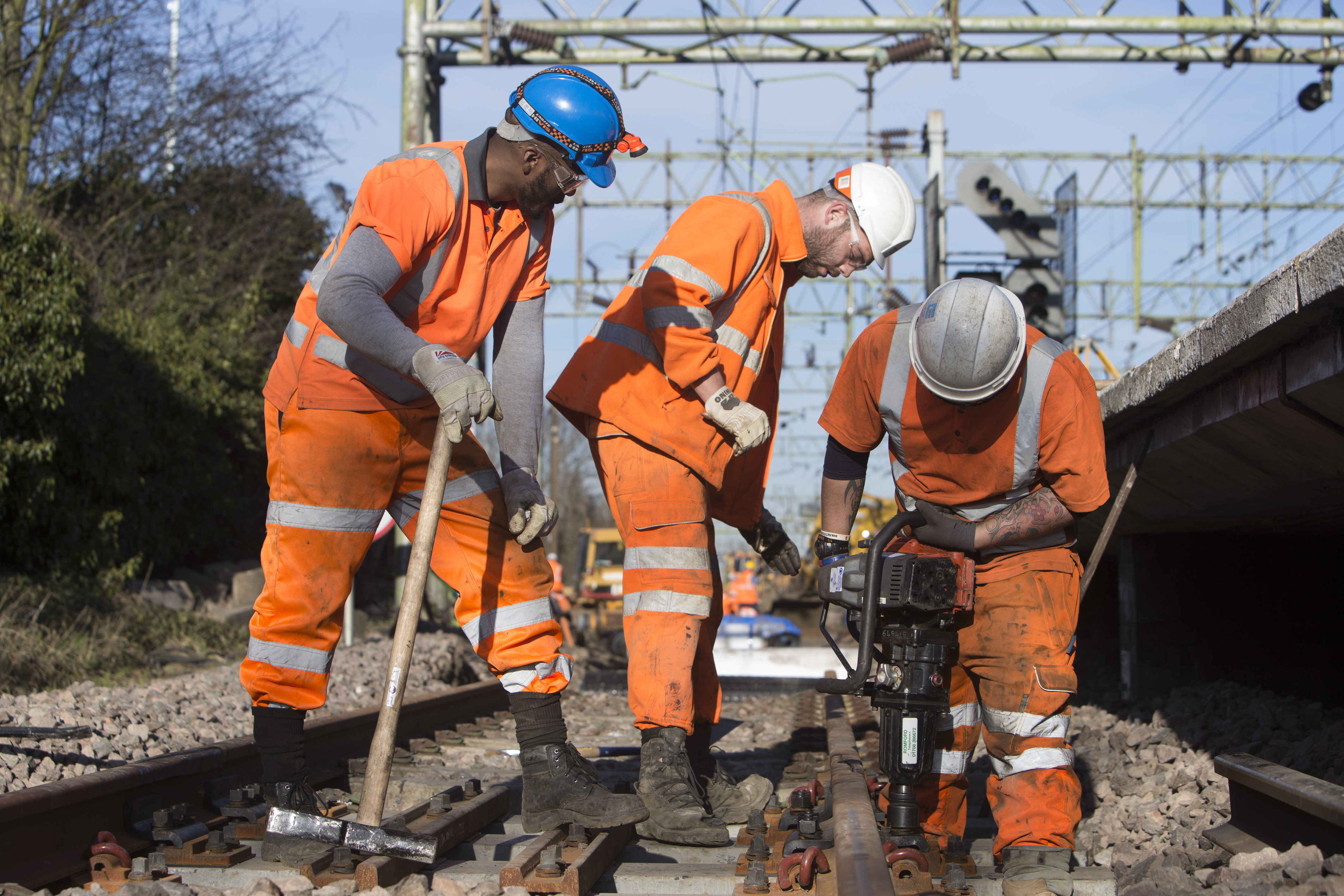
Look at the garment specification and the outfit as a whole. A practical rail wardrobe needs a suitable top, trousers, outer layers and correctly planned branding, with each choice checked against the operator’s requirements.
Explore Leo Workwear →Use the role and working environment to define the brief. Compare product details, fit and compatibility before committing to a team-wide selection.
Protective equipment must be selected against the employer’s risk assessment and local rules. Ordinary workwear is not a substitute for specialist protection.
Check the current RIS-3279-TOM requirement in your brief, the garment label and the required visibility class. Assess the upper and lower garments together against local rules.
Plan the outermost clothing first. A non-hi-vis rain layer can hide the visibility underneath; confirm that every seasonal combination remains suitable.
Check reaching, stepping, kneeling and seated work during any wearer trial. Include the layers and equipment that will actually be worn.
Agree decoration positions before production. Keep required conspicuous areas and tape clear, follow the care label and review worn or damaged garments.
Compare rail-spec garments from the same manufacturer alongside suitable depot and station clothing. A consistent look should support the job without blurring the difference between ordinary uniform and protective workwear.
Explore the Leo focus page →
A clear brief makes it easier to compare suitable garments and keep the programme consistent as the team changes.
Share your operator’s specification, work areas, wearer numbers and branding requirements.
Agree garments, sizes and layers. Include representative wearers and discuss samples or trials before a wider rollout.
Plan colours, approved logo positions and suitable print or embroidery for the selected garments.
Record the approved kit and plan new starters, replacements and repeat orders alongside the first rollout.
Share your operator’s specification, work areas, wearer numbers and branding requirements.
No. Check the rail specification on the individual garment, its visibility class and your operator’s required outfit. Colour on its own is not enough.
Yes. We can help coordinate colours, fits and branding while keeping the protective requirements of track-access roles distinct.
The operator or contractor specification, roles, working areas, required standards, seasonal layers, sizes, quantities and approved logo positions.
Working-scene photography: Network Rail · Network Rail · Network Rail. Photographs illustrate working roles and environments.
Further reading to support a task-specific brief. Always check the individual product information and your current workplace requirements. Reviewed October 2026.