

Uneek
A coordinated everyday top
A cotton polo option for a consistent uniform. Compare the size range and care information.
Uneek UC112 - Classic Cotton Polo Shirt 220gsmWorkwear and task-specific PPE for production, handling and maintenance, with the process and the wearer at the centre of the brief.
Find your team’s kit →Packing finished goods, handling substances and maintaining machinery are different jobs. A coordinated workwear programme starts by separating those activities and their requirements.
Build the core uniform around fit and movement, then identify protection for the actual substances, mechanical hazards and working conditions. A general handling glove is not a chemical glove.
ATG hand-protection illustration. Select the glove for the actual task.

Select a role to explore relevant products and ranges. Check the individual specifications against your working environment and employer’s requirements.
Compare everyday clothing for the production setting. Assess any glove use against both the material handled and machinery risks; a glove is not appropriate for every task.
Uneek
A cotton polo option for a consistent uniform. Compare the size range and care information.
Uneek UC112 - Classic Cotton Polo Shirt 220gsm
Scruffs
Work trousers to compare for fit, movement and useful pockets throughout the working day.
Scruffs SH071 Pro Flex Plus Trousers
ATG
MaxiFlex Ultimate is a dry handling option; select separate protection for chemical contact or other hazards.
ATG MaxiFlex Ultimate - AD-APT 42-874 Gloves - Pack of 12Use these as options to assess, not a ready-made chemical protection kit. Confirm the substances, concentrations, temperature, exposure and manufacturer’s data before selecting.

Portwest
Compare the A812 against the actual chemicals, concentrations, contact time and manufacturer’s resistance data.
Portwest A812 - Nitrosafe Plus Chemical Gauntlet
Portwest
Indirect-vent goggles. Confirm the protection and fit needed for the specific exposure.
Portwest PW21 - Indirect Vent Goggles
Portwest
The A810 is another option to assess using the chemical and exposure information for the task.
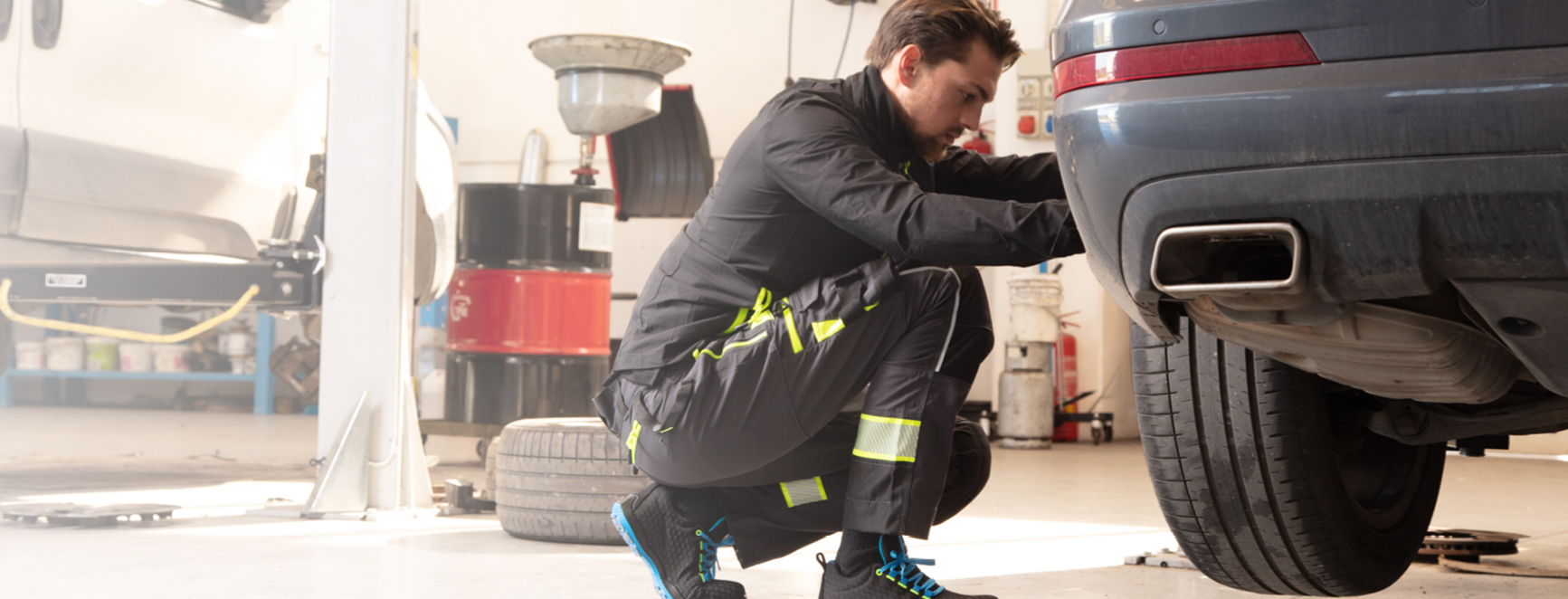
Portwest A810 - Nitrosafe Chemical GauntletPlan fit, tool storage and assessed protection around servicing and repairs. Hot work, electrical tasks and other specialist jobs need separate consideration.
Scruffs
Work trousers to compare for fit, movement and useful pockets throughout the working day.
Scruffs SH071 Pro Flex Plus Trousers
Portwest
A safety helmet option. Check the assessed hazards and compatibility with other PPE.
Portwest PS61 Work Safe HelmetATG
MaxiFlex Ultimate is a dry handling option; select separate protection for chemical contact or other hazards.
ATG MaxiFlex Ultimate - AD-APT 42-874 Gloves - Pack of 12A useful workwear plan considers the places, tasks and conditions the team encounters throughout a shift.
Identify the exact chemical or mixture, concentration and type of contact. No glove material protects against every substance or for an unlimited time.
Grip, dexterity, temperature and moving equipment can change what is suitable. Include the actual way the work is done in the brief.
Check fit and compatibility across the whole set of PPE. A practical trial can reveal whether workers can use the kit as intended.
Compare the manufacturer’s chemical resistance and use information, not just the glove’s appearance. For dry handling, focus instead on the required grip, dexterity and mechanical protection.
Explore hand-protection technologies →Use the role and working environment to define the brief. Compare product details, fit and compatibility before committing to a team-wide selection.
Protective equipment must be selected against the employer’s risk assessment and local rules. Ordinary workwear is not a substitute for specialist protection.
Use the safety data sheet and the glove manufacturer’s resistance information. Concentration, temperature, mixtures and exposure time can affect the choice and replacement plan.
Assess splash, impact, dust or other hazards. Goggles, spectacles and face protection have different roles; confirm the required markings and compatibility.
Assess loose fabric, pockets and glove use around moving parts. Workwear and PPE do not replace guarding, isolation or safe operating procedures.
Agree inspection, removal, cleaning and disposal arrangements. Contaminated equipment must be handled according to the task and manufacturer’s instructions.
Keep a record of the approved product and why it was chosen for a task. Review the selection when a process, substance or working condition changes, and keep repeat orders tied to that brief.
Discuss your manufacturing requirements →
A clear brief makes it easier to compare suitable garments and keep the programme consistent as the team changes.
Send the processes, substances, exposure details and required protection alongside your uniform brief.
Agree garments, sizes and layers. Include representative wearers and discuss samples or trials before a wider rollout.
Plan colours, approved logo positions and suitable print or embroidery for the selected garments.
Record the approved kit and plan new starters, replacements and repeat orders alongside the first rollout.
Send the processes, substances, exposure details and required protection alongside your uniform brief.
Do not assume so. Select against all the hazards for each task and check the manufacturer’s data for any chemical exposure.
No. Select the type and protection markings for the assessed hazard, then check fit with the rest of the PPE.
The substance or mixture, safety data sheet, concentration, temperature, contact type and duration, other hazards and any existing approved specification.
Working-scene photography: Worcestershire County Council · Portwest · Portwest. Photographs illustrate working roles and environments.
Further reading to support a task-specific brief. Always check the individual product information and your current workplace requirements. Reviewed October 2026.