

ORN
An everyday team uniform
A wicking polo option with colours and sizes to coordinate across departments.
ORN 1190 Oriole Wicking PoloshirtUniforms, workwear and PPE for picking, loading, deliveries and the teams behind your operation.
Find your team’s kit →A warehouse uniform has to work across a busy shift: walking aisles, packing orders, working near doors and handing over to drivers. A useful wardrobe reflects those different environments.
Start with roles and zones. Keep the everyday clothing consistent, then specify visibility, footwear and other protection for the actual hazards and site rules.
Jungheinrich corporate warehouse photography; illustrative working environment.
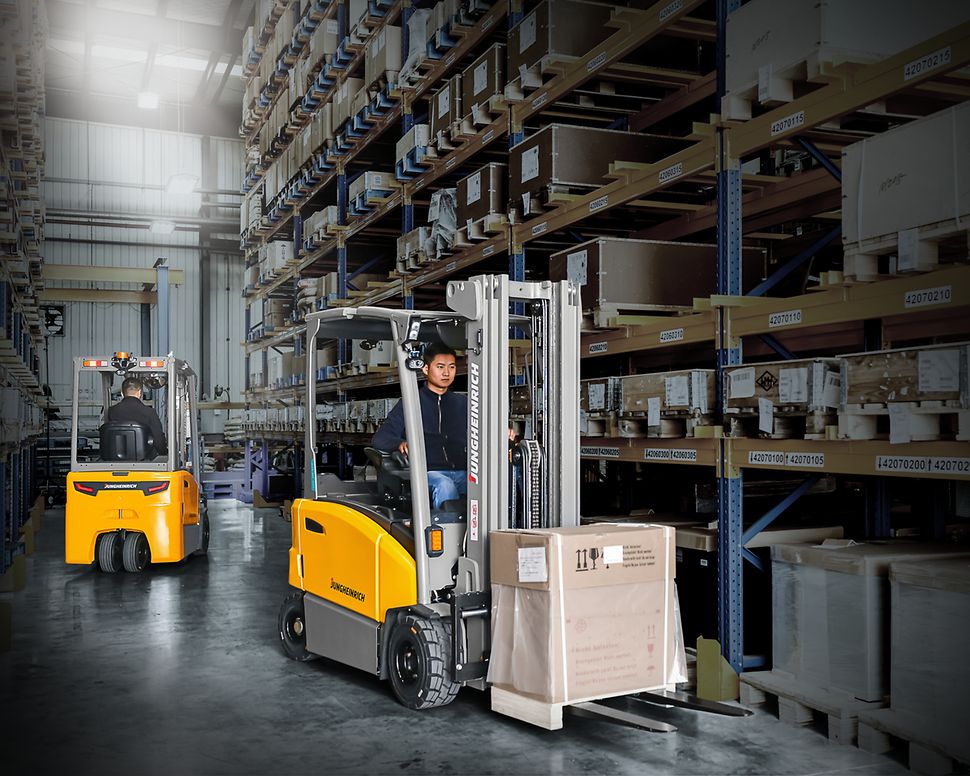
Select a role to explore relevant products and ranges. Check the individual specifications against your working environment and employer’s requirements.
Compare clothing for walking, bending, reaching and packing. Consider warmth inside the building, suitable pockets and gloves where the handling task calls for them.
ORN
A wicking polo option with colours and sizes to coordinate across departments.
ORN 1190 Oriole Wicking Poloshirt
Scruffs
Work trousers to compare for fit, movement and useful pockets throughout the working day.
Scruffs SH071 Pro Flex Plus Trousers
ATG
MaxiFlex Ultimate is a dry handling option; select separate protection for chemical contact or other hazards.
ATG MaxiFlex Ultimate - AD-APT 42-874 Gloves - Pack of 12Plan for visibility around vehicle areas and for time spent beside open doors or outside. Hi-vis forms part of the site’s controls; it does not replace safe traffic management.

Leo Workwear
A coloured-yoke waistcoat option. Agree colours and the required visibility rating before ordering.
Leo W09 Bradworthy - Hi-Vis Coloured Yoke Waistcoat
Leo Workwear
A waterproof hi-vis anorak to compare for outdoor work. Check its individual protection ratings.
LEO A04 Clovelly - Hi-Vis Ecoviz 15K Performance+ Breathable Anorak
Rockfall
A safety trainer option to compare for fit, protection and the actual surfaces encountered.
Rock Fall PM4040 Bridgeport Low-Cut TrainerBuild a uniform that works while seated and during customer handovers. Choose footwear and any protective layers around both the driving role and the handling duties at each location.

Uneek
A cotton polo option for a consistent uniform. Compare the size range and care information.
Uneek UC112 - Classic Cotton Polo Shirt 220gsm
Regatta
A full-zip fleece for cooler areas and changing conditions. Compare sizing and care instructions.
Regatta TRF557 Micro Full Zip - Fleece JacketRockfall
A safety trainer option to compare for fit, protection and the actual surfaces encountered.
Rock Fall PM4040 Bridgeport Low-Cut TrainerA useful workwear plan considers the places, tasks and conditions the team encounters throughout a shift.
Give teams layers that can be adjusted as they move between areas. A fleece may suit cooler indoor work; outdoor duties need their own weather assessment.
Look at grip and dexterity for the goods being moved. Clothing and gloves do not remove the need to control manual handling risks.
Agree visibility and site access rules for employees, visiting drivers and temporary staff. Keep the uniform plan aligned with traffic routes and working zones.
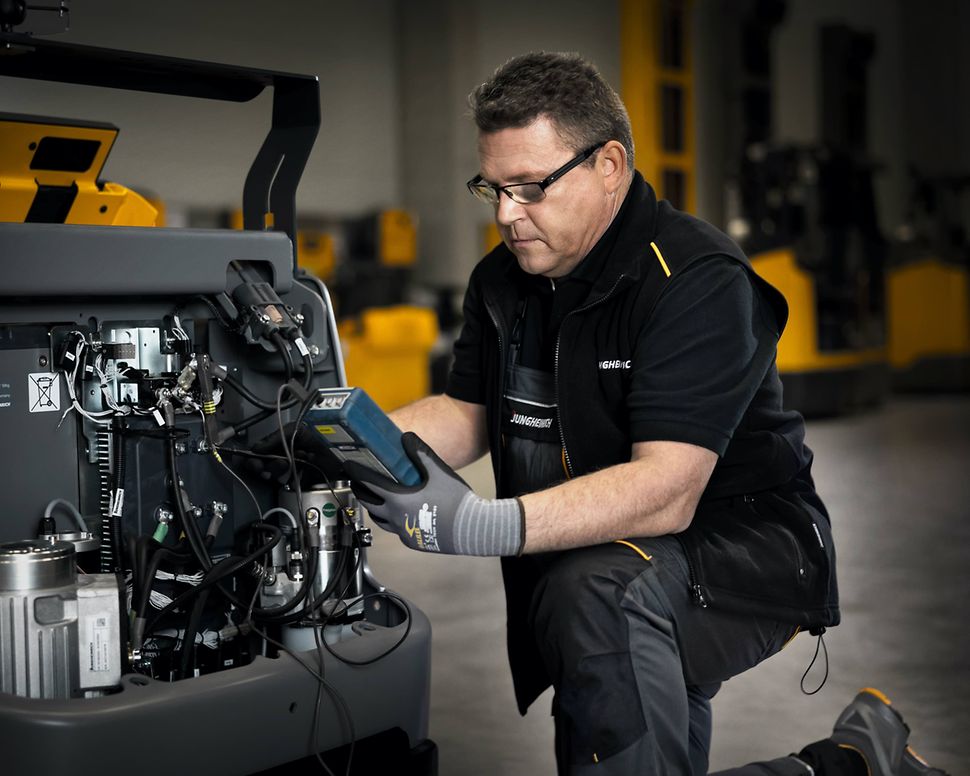
Our Jungheinrich case study shows how departmental ordering and coordinated supply can reduce the work around workwear and PPE procurement. Explore the programme and its reported outcomes.
Read the Jungheinrich case study →Use the role and working environment to define the brief. Compare product details, fit and compatibility before committing to a team-wide selection.
Protective equipment must be selected against the employer’s risk assessment and local rules. Ordinary workwear is not a substitute for specialist protection.
Select for the actual grip, abrasion, cut or wet-work needs. Check that dexterity is sufficient and assess whether gloves are appropriate around particular machinery.
Look for practical movement without loose clothing creating snag risks. Consider kneeling, stretching and seated work during wearer trials.
Compare footwear against the floor, contaminants and protection required. Trial fit and comfort with representative wearers before a larger rollout.
Ordinary warm layers are not automatically suitable for cold-store work. Share temperatures, exposure time and duties when specifying specialist cold protection.
Use a shared colour palette with role-specific layers and clear department identification. Plan replacements and new-starter kits alongside the first order so the uniform remains consistent.
Explore everyday team workwear →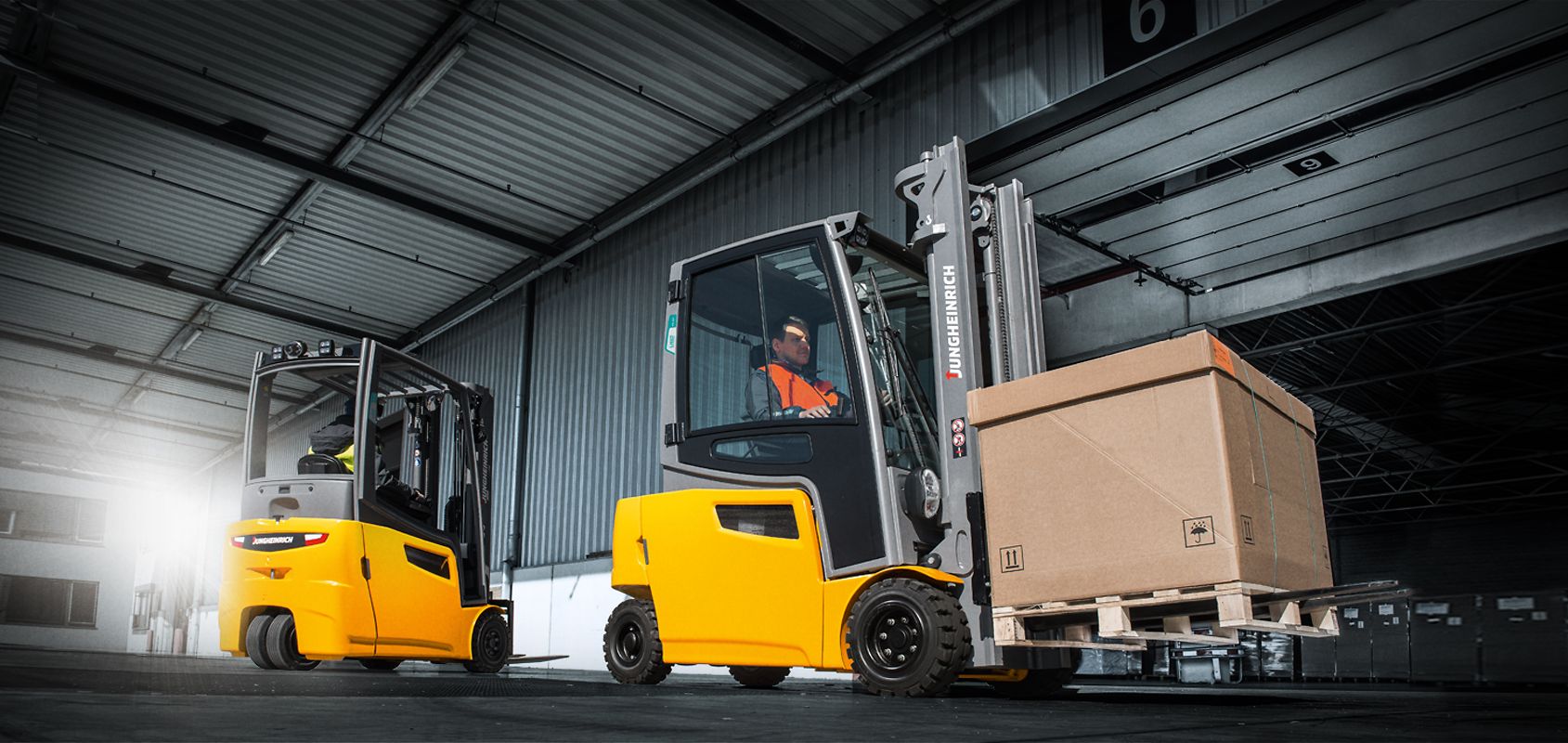
A clear brief makes it easier to compare suitable garments and keep the programme consistent as the team changes.
Share your departments, shifts, working zones, wearer numbers and site requirements.
Agree garments, sizes and layers. Include representative wearers and discuss samples or trials before a wider rollout.
Plan colours, approved logo positions and suitable print or embroidery for the selected garments.
Record the approved kit and plan new starters, replacements and repeat orders alongside the first rollout.
Share your departments, shifts, working zones, wearer numbers and site requirements.
A common identity is useful, but picking, yard work, driving and specialist areas can need different layers and protection.
Yes. Include expected wearer numbers, core garments and replacement needs in the brief so the programme is easier to repeat.
Tell us the temperatures, time spent in the area and the tasks involved. Specialist cold protection should be specified separately.
Working-scene photography: Jungheinrich · Jungheinrich · Jungheinrich. Photographs illustrate working roles and environments.
Further reading to support a task-specific brief. Always check the individual product information and your current workplace requirements. Reviewed October 2026.
Jungheinrich corporate photographs illustrate working environments; they do not document a specific supply programme. View the case study and photography credits →