

Leo Workwear
An outer layer for wet shifts
A waterproof hi-vis anorak to compare for outdoor work. Check its individual protection ratings.
LEO A04 Clovelly - Hi-Vis Ecoviz 15K Performance+ Breathable AnorakPractical clothing and PPE for road crews, trades and site teams, with the right layers, fit and identity for the working day.
Find your team’s kit →Roadside work, construction trades and site supervision bring different demands. Start with the principal contractor’s rules and each task, then choose clothing that lets people work comfortably.
A useful kit plan covers movement, weather, underfoot conditions and how protective equipment fits together. It also makes new starters and replacement orders easier to manage.

Select a role to explore relevant products and ranges. Check the individual specifications against your working environment and employer’s requirements.
Use the road or site specification to establish the required visibility and coverage. Compare a complete outdoor outfit rather than choosing a vest or jacket in isolation.
Leo Workwear
A waterproof hi-vis anorak to compare for outdoor work. Check its individual protection ratings.
LEO A04 Clovelly - Hi-Vis Ecoviz 15K Performance+ Breathable Anorak
ORN
A cargo trouser option for teams needing visibility and storage. Compare sizes and leg lengths.
ORN 6700 Hi-Vis Condor Cargo Trouser
Portwest
A safety helmet option. Check the assessed hazards and compatibility with other PPE.
Portwest PS61 Work Safe HelmetFocus on kneeling, reaching and carrying everyday tools. Assess gloves and head protection alongside the actual task and any other equipment worn.

Scruffs
Work trousers to compare for fit, movement and useful pockets throughout the working day.
Scruffs SH071 Pro Flex Plus Trousers
ATG
MaxiFlex Ultimate is a dry handling option; select separate protection for chemical contact or other hazards.
ATG MaxiFlex Ultimate - AD-APT 42-874 Gloves - Pack of 12Portwest
A safety helmet option. Check the assessed hazards and compatibility with other PPE.
Portwest PS61 Work Safe HelmetGive visiting and supervisory teams a consistent identity without overlooking site access requirements. Add the specified visibility and PPE whenever duties take them into controlled work areas.

ORN
A wicking polo option with colours and sizes to coordinate across departments.
ORN 1190 Oriole Wicking Poloshirt
Regatta
A full-zip fleece for cooler areas and changing conditions. Compare sizing and care instructions.
Regatta TRF557 Micro Full Zip - Fleece Jacket
Leo Workwear
A coloured-yoke waistcoat option. Agree colours and the required visibility rating before ordering.
Leo W09 Bradworthy - Hi-Vis Coloured Yoke WaistcoatA useful workwear plan considers the places, tasks and conditions the team encounters throughout a shift.
Agree the required garment class, colour and coverage before ordering. Roadside and temporary traffic management work can need a different outfit from general site duties.
Check trouser fit and pocket layout during kneeling and reaching. Loose features and clothing need to be assessed around moving equipment.
Build a practical combination for warm, cold and wet conditions. Consider how wet outerwear and spare garments will be stored between shifts.
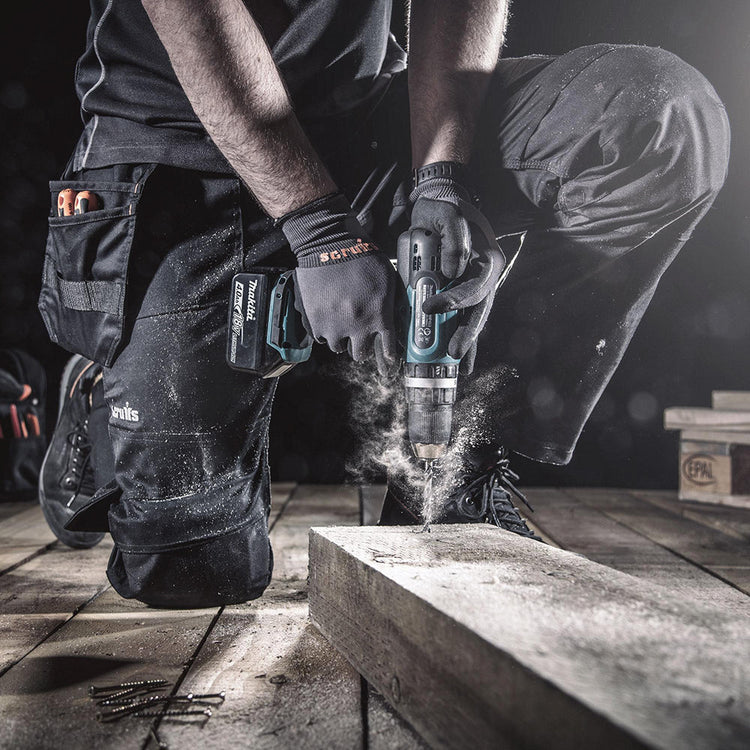
A pocket in the right place, a comfortable waistband and a layer that works over the uniform can make the kit easier to live with. Compare the garment details with the way your team actually works.
Explore Scruffs Workwear →Use the role and working environment to define the brief. Compare product details, fit and compatibility before committing to a team-wide selection.
Protective equipment must be selected against the employer’s risk assessment and local rules. Ordinary workwear is not a substitute for specialist protection.
Confirm the contractor’s or highway authority’s clothing requirements. Do not assume the outfit used on one site is suitable for every road task.
Check helmet fit, condition and compatibility with any hearing or eye protection required for the work.
Consider penetration risks, uneven surfaces, wet areas and the site’s footwear policy. Compare the complete protection specification and fit.
Dust, welding, chemicals and other specialist activities need their own controls and assessed PPE. Ordinary workwear is not a substitute for that protection.
Build the core wardrobe around trousers, tops and seasonal layers, then add the task-specific PPE. Coordinated garments make a clear team identity without treating every trade as the same job.
Discover Scruffs workwear →
A clear brief makes it easier to compare suitable garments and keep the programme consistent as the team changes.
Tell us the trades, site rules, working conditions and quantities your programme needs to cover.
Agree garments, sizes and layers. Include representative wearers and discuss samples or trials before a wider rollout.
Plan colours, approved logo positions and suitable print or embroidery for the selected garments.
Record the approved kit and plan new starters, replacements and repeat orders alongside the first rollout.
Tell us the trades, site rules, working conditions and quantities your programme needs to cover.
Not necessarily. Confirm the visibility, colour and coverage specified for the particular work before selecting the outfit.
Yes. Agree the positions and decoration method first, with the protective garment manufacturer’s limits taken into account.
Compare fit, leg lengths, movement, pocket layout and any knee-pad requirements with representative wearers rather than relying only on appearance.
Working-scene photography: Hilti · Scruffs · Portwest. Photographs illustrate working roles and environments.
Further reading to support a task-specific brief. Always check the individual product information and your current workplace requirements. Reviewed October 2026.