

Brook Taverner
A smart first impression
A classic Oxford shirt to coordinate with the rest of your customer-facing uniform.
Brook Taverner 4051 Tucson – Classic Oxford ShirtCoordinated clothing for drivers, passenger-facing teams and the people who keep the depot running.
Find your team’s kit →Drivers, customer service teams and depot staff represent the same organisation in very different settings. Their clothing needs to connect the brand while supporting the job.
Think about a full working day: time seated, moving in and out of vehicles, helping passengers and working around depots. Agree suitable fits and layers for each role.

Select a role to explore relevant products and ranges. Check the individual specifications against your working environment and employer’s requirements.
Check shirt and trouser fit while seated as well as standing. Plan comfortable layers and footwear that is suitable for the driving duties, with separate protection where other tasks require it.
Brook Taverner
A classic Oxford shirt to coordinate with the rest of your customer-facing uniform.
Brook Taverner 4051 Tucson – Classic Oxford Shirt
Brook Taverner
Apollo trousers from Brook Taverner. Compare fit, lengths and coordinating garments.
Brook Taverner 8627 Apollo Trouser
Regatta
A full-zip fleece for cooler areas and changing conditions. Compare sizing and care instructions.
Regatta TRF557 Micro Full Zip - Fleece JacketCoordinate the wardrobe across ticketing, reception and passenger assistance. A choice of cuts and lengths helps create a consistent look without requiring every wearer to use the same fit.
Brook Taverner
A classic Oxford shirt to coordinate with the rest of your customer-facing uniform.
Brook Taverner 4051 Tucson – Classic Oxford Shirt
ORN
A ladies’ action trouser option. Check the size guide, leg lengths and practical details.
ORN 2660 Women's Kea Action Trouser
Regatta
A ladies’ softshell for cooler areas. Assess whether separate waterproof or hi-vis clothing is needed.
Regatta TRA689 Octagon II - Women's Softshell JacketSeparate the smart uniform brief from workshop and yard hazards. Plan durable work clothing and any required visibility, gloves or other PPE around the specific duties.

Leo Workwear
A coloured-yoke waistcoat option. Agree colours and the required visibility rating before ordering.
Leo W09 Bradworthy - Hi-Vis Coloured Yoke Waistcoat
Scruffs
Work trousers to compare for fit, movement and useful pockets throughout the working day.
Scruffs SH071 Pro Flex Plus Trousers
ATG
MaxiFlex Ultimate is a dry handling option; select separate protection for chemical contact or other hazards.
ATG MaxiFlex Ultimate - AD-APT 42-874 Gloves - Pack of 12A useful workwear plan considers the places, tasks and conditions the team encounters throughout a shift.
Assess waistband comfort, shirt movement and layering while seated. Include typical movements and vehicle entry in any uniform trial.
Plan for early starts, stops and exposed locations. Compare seasonal layers and the site’s requirements for work outside the vehicle.
Coordinate colours and branding across different fits and roles. Keep a record of approved garments to make replacements easier.

Combine shirts or polos, trousers and useful layers around your operating style. Agree how a summer version and winter version will look before rolling the uniform out across the team.
Explore Brook Taverner →Use the role and working environment to define the brief. Compare product details, fit and compatibility before committing to a team-wide selection.
Protective equipment must be selected against the employer’s risk assessment and local rules. Ordinary workwear is not a substitute for specialist protection.
Use the actual driving position when comparing garments. Check comfortable movement and pocket placement, as well as the size guide.
Driver footwear and workshop safety footwear serve different briefs. Choose for the duties and employer’s requirements rather than assuming one style suits everyone.
Confirm local rules for leaving vehicles, moving through yards or carrying out other depot duties. Plan any hi-vis layer as part of that brief.
Compare care instructions, available sizes and coordinating pieces. Record approved colours, logos and garments for new starters and replacements.
A coordinated programme can offer shirts, polos and layers without losing the organisation’s identity. Build around your team’s working day and the level of formality you want.
Discover corporate uniform options →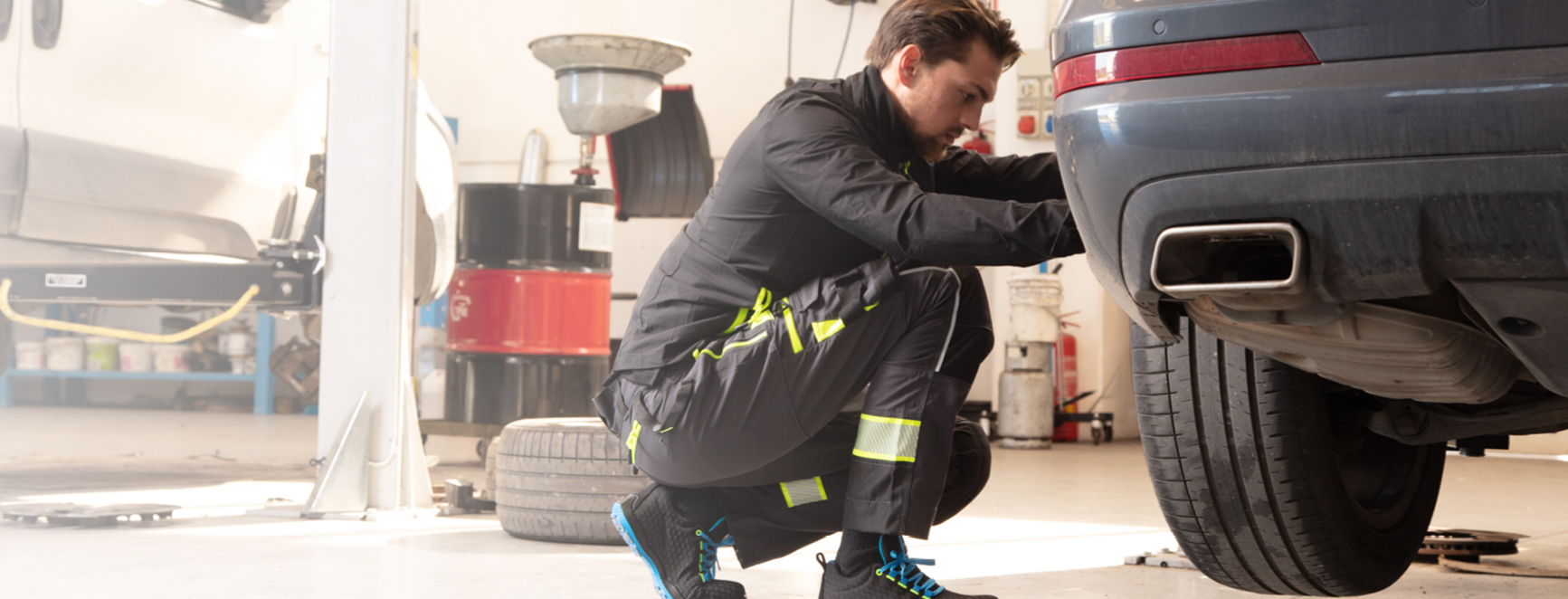
A clear brief makes it easier to compare suitable garments and keep the programme consistent as the team changes.
Tell us the driving and support roles, uniform style, size range and seasonal layers you need.
Agree garments, sizes and layers. Include representative wearers and discuss samples or trials before a wider rollout.
Plan colours, approved logo positions and suitable print or embroidery for the selected garments.
Record the approved kit and plan new starters, replacements and repeat orders alongside the first rollout.
Tell us the driving and support roles, uniform style, size range and seasonal layers you need.
Yes. The identity can remain consistent while the garments and protective requirements differ by role.
We can compare the available fits and size ranges. The right approach depends on the wearer profile and chosen garments.
Yes. Polos and coordinated layers can provide an alternative to shirts and tailoring while keeping a clear team appearance.
Working-scene photography: Nobina · Votran · Portwest. Photographs illustrate working roles and environments.
Further reading to support a task-specific brief. Always check the individual product information and your current workplace requirements. Reviewed October 2026.